

A Guide to Short Run Printing
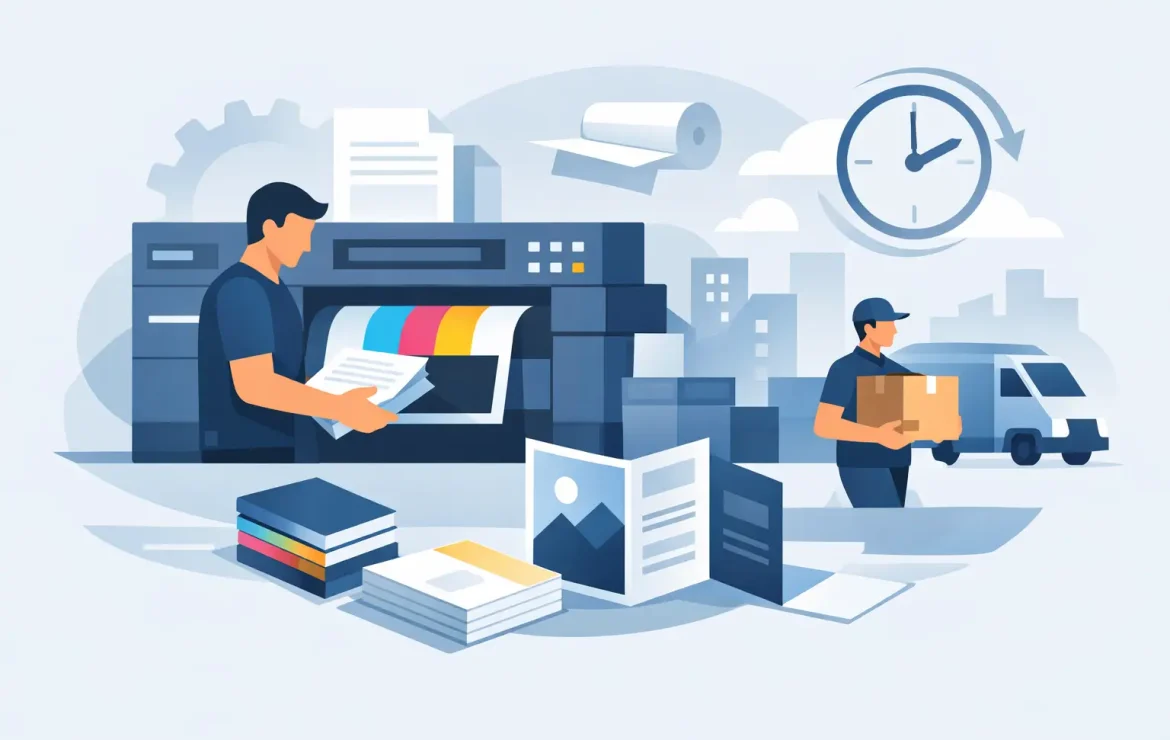
Ordering 50 brochures instead of 5,000 used to feel like a compromise. It no longer does. This guide to short run printing is for businesses that need professional print in sensible quantities – whether that is a handful of menus, a limited run of event leaflets or a batch of booklets for a sales meeting next week.
Short run printing has become the practical choice for many organisations because it fits the way businesses actually work. Campaigns change, prices get updated, teams test new offers and stock sitting in a cupboard is money tied up. If you only need what you can realistically use, short run print often makes more sense than ordering in bulk just because that was once the standard way.
What short run printing actually means
In simple terms, short run printing means producing a smaller quantity of printed items, usually by digital print rather than traditional litho. There is no single number that defines it across every product, but it generally applies when you need low to medium quantities and want a quick, cost-effective result.
That could mean 25 presentation folders for a pitch, 100 postcards for a local campaign, 250 leaflets for a door drop test or a limited set of NCR pads for a team on the road. The exact quantity depends on the product, the specification and what you are trying to achieve.
The useful way to think about it is not the number alone, but the purpose. If the print is time-sensitive, likely to change, highly targeted or needed in modest volumes, short run is usually worth considering.
Why businesses choose short run printing
The biggest advantage is control. You can print what you need now rather than guessing what you might need in six months. That matters if you are updating services, changing prices, running seasonal promotions or working across different locations with slightly different messaging.
There is also less waste. Over-ordering might bring the unit price down on paper, but that does not help if half the stock becomes outdated. For many businesses, the real cost is not just printing more – it is storing it, managing it and throwing it away later.
Speed is another factor. Short run digital print is well suited to projects that need to move quickly without losing quality. For marketing teams and business owners juggling deadlines, that can make a real difference.
Then there is flexibility. If you want to test two versions of a flyer, create small batches for different audiences or print materials for a one-off event, short run allows you to be more precise. Instead of committing to a large quantity too early, you can learn what works and adjust.
A practical guide to short run printing for common products
Some products lend themselves especially well to short runs. Leaflets and flyers are a good example, particularly for local campaigns, event handouts and offer-led promotions. If the message may need changing soon, a smaller quantity is often the safer option.
Brochures and booklets are another strong fit. Businesses often need these for meetings, launches, tenders or temporary campaigns where quality matters but huge volume does not. Printing smaller runs keeps things current and avoids leftover copies once details change.
Menus are a classic short run job too, especially for hospitality businesses with seasonal changes, price updates or special events. The same applies to postcards, stickers, posters and roller banners when they are tied to a particular date, promotion or venue.
Even everyday operational print can benefit. NCR sets, appointment cards, presentation folders and business cards are not always best bought in large quantities. Staff changes, rebrands and service updates can make old stock obsolete faster than expected.
When short run is the right choice – and when it is not
Short run printing is ideal when flexibility matters more than the lowest possible unit price. If your artwork is likely to change, your audience is specific or your timeline is tight, it is often the right route.
It also suits businesses that want to keep cash flow sensible. Ordering smaller quantities spreads cost more evenly and avoids paying upfront for stock that may sit unused.
That said, short run is not automatically the best option for every job. If you know your design will stay exactly the same, your usage is consistent and you will definitely get through a high volume, litho or a larger print run may offer better overall value. This is where good advice matters. The cheapest route per item is not always the smartest route for the business, but neither is printing little and often if demand is completely predictable.
How to decide on the right quantity
This is where many buyers get stuck. They do not want to over-order, but they also do not want to run out too soon. A sensible starting point is to look at use rather than optimism.
Ask how quickly the item will be handed out, whether any details could change soon and whether the print is tied to a campaign, event or season. If you are promoting a service that may be updated next quarter, ordering a year’s worth rarely makes sense. If it is evergreen material that your sales team uses every week, a larger quantity may be justified.
It also helps to think in stages. A first run can be used to test response, gather feedback and confirm the design works in the real world. Once you know it performs, you can reprint with confidence. That approach usually saves money compared with committing too heavily at the start.
Artwork, paper and finish still matter
A small quantity should never look like a lesser job. If anything, short run print often carries more pressure because it is used for direct contact with customers, decision-makers or event visitors.
That means the design needs to be clear, the branding consistent and the paper choice suited to the purpose. A luxury brochure needs a different feel from a takeaway menu or a promotional flyer. Finish matters too. Matt, gloss or uncoated stock can subtly change how your brand comes across.
This is often where businesses benefit from speaking to a printer that can also offer creative support. A file may be technically printable but still not produce the strongest result. Small adjustments to layout, colour or stock can make a noticeable difference without overcomplicating the job.
What to ask before placing an order
A good short run print job starts with a straightforward conversation. You do not need to know every technical term. What matters is being clear about the product, the quantity, the deadline and how it will be used.
It is worth asking whether your chosen quantity is sensible for the item, whether the artwork is set up correctly and whether there are better stock or finish options for the budget. If turnaround matters, say so early. If colour consistency is important because the print must match existing branded materials, raise that too.
The right print partner should make this easy, not bury you in jargon. That is especially important if you are ordering across several items at once, such as brochures, posters and roller banners for the same campaign.
The real value of short run printing
The value is not only in printing fewer copies. It is in being able to respond faster, stay up to date and order with more confidence. For many businesses, that is what keeps marketing materials useful rather than wasteful.
A shorter run can help you trial a new message, support a one-off event, equip a team quickly or refresh customer-facing print without making a long-term commitment. It gives you room to adapt, and that is often more valuable than chasing the lowest unit cost.
For local businesses and larger organisations alike, the best print buying decisions are usually the ones that match real demand, real deadlines and real use. That is why short run printing has become such a practical option across everything from leaflets and booklets to menus, posters and business stationery.
If you are unsure where to start, the best next step is usually the simplest one: talk through what you need, when you need it and how long it needs to last. A good printer will help you work out whether a short run is the right fit – and make the whole process feel straightforward from the start.
Popular Posts

What Is Uncoated Paper and When Should You Use It?

Ordering NCR Duplicate Sets Without Delays

Design Print Services That Get Results
Testimonials
We had some brochures printed – they were high quality and the delivery was right to our door and super speedy. The customer service was excellent and I would definitely use them again.

Causeway
Our friends at Print by Volta always do a cracking job and they are always friendly, helpful and full of ideas. And they are consistent year on year which is why we are still working with them!

LFBB Solicitors
Excellent print quality with a quick turnaround! The staff are very helpful and supportive. We will be sure to work with them again.

David Village Lighting

