

What Is Uncoated Paper and When Should You Use It?
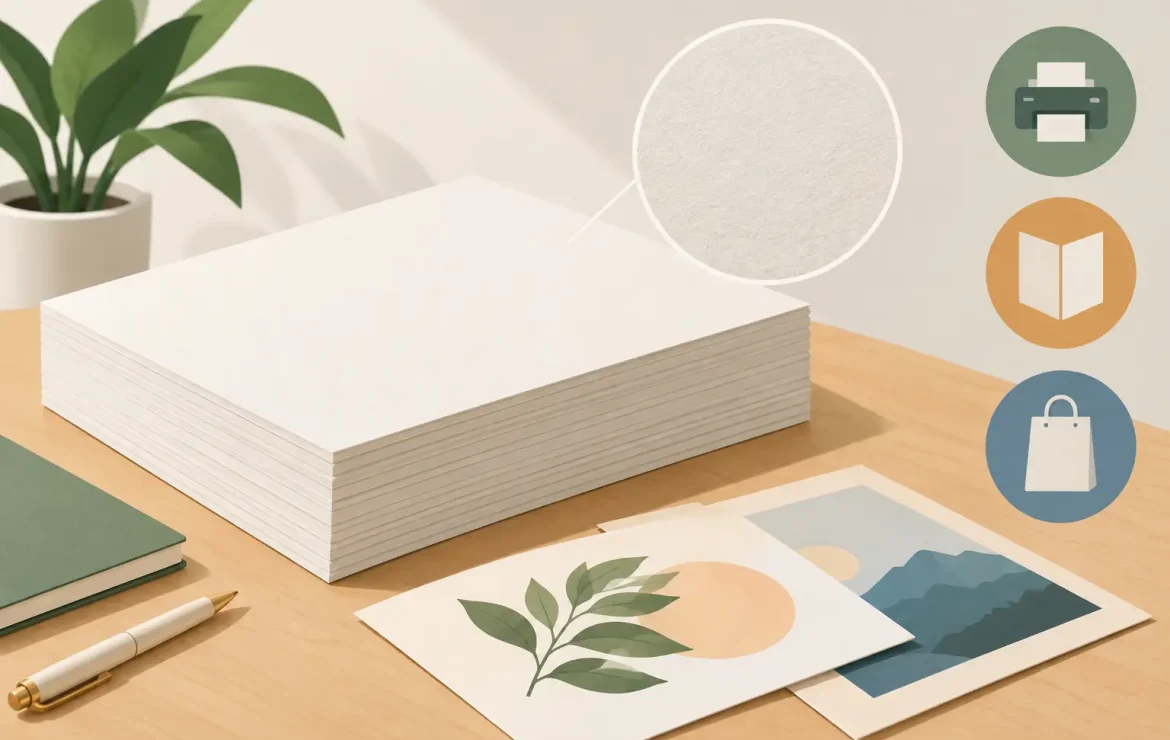
A glossy leaflet can make a bold first impression, but it is not always the right choice. If you have ever picked up a tactile business card, an easy-to-read restaurant menu or a premium-looking stationery set, there is a good chance you have handled uncoated stock. So, what is uncoated paper? It is paper with no clay or polymer coating applied to its surface, giving it a natural, slightly textured finish that feels more like traditional paper.
That simple difference affects everything from how colours appear to whether someone can comfortably write on the page. For businesses choosing print for the first time, or trying to make their next campaign feel more considered, understanding the finish can save time, budget and a disappointing result.
What is uncoated paper?
Uncoated paper is made without the smooth surface coating used on gloss and silk stocks. Its fibres remain more open, which means the surface has a softer feel and absorbs more ink. Depending on the weight and grade selected, it may feel clean and crisp, lightly textured or pleasantly substantial.
It is often described as having a natural or matt appearance, although matt and uncoated are not quite the same thing. Matt coated paper still has a coating, just one designed to reduce shine. Uncoated paper has no coating at all, so it has a more absorbent surface and a less reflective finish.
The result is familiar and practical. Think of quality letterheads, notepads, appointment cards, menus or a well-made book. It is a finish that invites people to hold onto a printed piece rather than simply glance at it.
How uncoated paper changes the look of print
The biggest visual difference is shine. Gloss-coated paper reflects light and makes photographs and vivid colours look especially punchy. Uncoated paper absorbs light instead, creating a calmer, more understated result. This can make it a strong choice for brands that want to feel established, thoughtful, sustainable or handmade.
Because ink is absorbed into the paper fibres, printed colours can look softer than they do on gloss or silk. A rich navy may appear less dense, and bright photographic images may lose some of their sharpness. That is not a fault – it is part of the character of the stock – but it needs to be considered at the design stage.
Fine detail can also behave differently. Small type usually reads beautifully on good-quality uncoated stock, particularly black text, but very fine reversed-out lettering or intricate pale details may not reproduce as cleanly as they would on a coated sheet. If colour accuracy is critical, such as for a tightly controlled brand palette, it is sensible to discuss the intended paper before artwork is finalised.
Why businesses choose uncoated stock
Uncoated paper has a useful combination of professionalism and practicality. It is comfortable to read under bright lighting because there is no glare. For a café menu, training workbook or corporate booklet with plenty of text, that can make a real difference to the person using it.
It is also much easier to write on. Pens, pencils and stamps generally perform well because the ink has something to grip. This makes uncoated paper ideal for documents that need a response, note or signature, rather than just a quick look.
The finish brings a tactile quality that supports certain brand messages particularly well. A local food producer, independent retailer, solicitor, charity or creative studio may prefer a restrained, credible feel over high shine. Likewise, businesses using recycled or environmentally considered stocks often choose uncoated paper because the natural finish complements the message.
Paper weight matters as much as the coating. A 100gsm uncoated sheet may suit a letterhead or internal form, while 300gsm or 350gsm uncoated card can give business cards and postcards a confident, premium feel. The right choice depends on how the item will be handled, posted and used.
Best uses for uncoated paper
Uncoated stock is not limited to one type of print. It works especially well where readability, writability and a natural presentation matter more than a high-gloss photographic finish.
Business cards are a popular example. An uncoated card feels distinctive in the hand and can be written on if someone wants to add a direct number or meeting note. It is also well suited to appointment cards, loyalty cards and gift vouchers where customers may need to fill in details.
For hospitality businesses, uncoated menus can feel warm and welcoming, especially for independent cafés, restaurants and bars. The reduced glare helps customers read them under overhead lighting. If menus need regular amendments or heavy cleaning, however, a laminated or coated option may be more practical.
Letterheads, compliment slips, NCR sets, forms and notepads are natural fits because they are designed to be written on. Uncoated paper is also widely used for booklets, reports and manuals with text-heavy pages. Readers tend to find a non-reflective page easier on the eye during longer reading sessions.
It can be an effective choice for flyers and postcards too, but this depends on the artwork. A minimalist design, illustration-led campaign or muted colour palette can look excellent on uncoated card. A promotion built around saturated product photography may have more impact on silk or gloss.
Uncoated vs coated paper: the practical trade-off
There is no universally better finish. The most suitable paper is the one that supports the job the printed item needs to do.
Choose uncoated paper when you want a natural texture, minimal glare, easy readability or a surface people can write on. It is particularly effective for text-led materials, stationery and brands that benefit from a less polished, more tactile character.
Choose silk or gloss coated paper when you need photographs, gradients and bright brand colours to look as crisp and vibrant as possible. Coated paper is often a good fit for promotional leaflets, product brochures, estate agency particulars and image-led mailers. Silk offers a middle ground: smoother and more colour-responsive than uncoated, but without the high reflectivity of gloss.
Durability is another consideration. Uncoated stock can mark or absorb moisture more readily than coated paper, especially when handled frequently. Lamination can add protection to many coated items, although it changes the tactile feel and prevents people from writing on the surface with an ordinary pen. For outdoor posters, roller banners and other display work, specialist wide-format materials are normally a better route than standard paper stock.
Getting the artwork right for uncoated print
Designing for uncoated paper does not have to be complicated, but a few decisions make a visible difference. Avoid assuming colours will look identical across every material. The same CMYK artwork can appear more muted on uncoated paper because of ink absorption, so allow for that when a particular shade matters.
Use clear typefaces and give small text enough weight, particularly if it is printed in a light colour or reversed from a solid background. Black text and well-spaced layouts tend to look excellent. If your design relies on large dark areas, be aware that they can show slight variations in texture on an uncoated surface, which may be part of the intended look but should not come as a surprise.
For a substantial stationery item or business card, consider whether a heavier uncoated stock will better match the brand. A thicker sheet does not automatically mean better print, but it can make a simple design feel far more intentional. If you are uncertain, asking to see paper samples before placing a larger order is often the easiest way to make a confident decision.
A straightforward way to choose
Start with the purpose of the piece, not the paper terminology. Will people write on it? Is it mainly text or photography? Does it need to survive regular handling? Are you aiming for polished and vibrant, or natural and tactile? Those answers usually point to the right finish quickly.
At Print by Volta, we help businesses turn those practical questions into print that looks right, feels right and arrives ready to use. If you are weighing up uncoated, silk or gloss for your next cards, menus, booklets or stationery, a quick conversation before production can prevent costly guesswork and give your brand the finish it deserves.
Popular Posts

Can Digital Printers Match Colours Accurately?

Sheffield Business Card Printing That Gets Kept

A Guide to Business Card Finishes That Work
Testimonials
We had some brochures printed – they were high quality and the delivery was right to our door and super speedy. The customer service was excellent and I would definitely use them again.

Causeway
Our friends at Print by Volta always do a cracking job and they are always friendly, helpful and full of ideas. And they are consistent year on year which is why we are still working with them!

LFBB Solicitors
Excellent print quality with a quick turnaround! The staff are very helpful and supportive. We will be sure to work with them again.

David Village Lighting

