

Plastic Loyalty Card Printing That Works
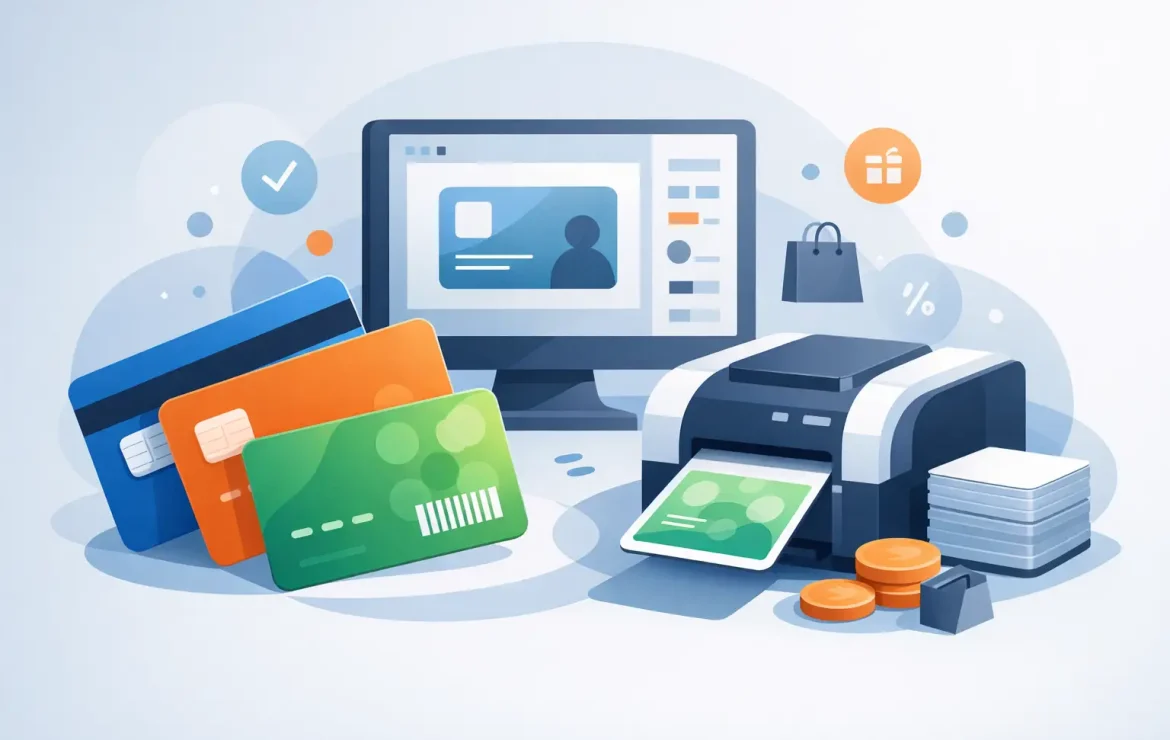
A paper stamp card can do a job, but it rarely feels like part of a strong brand. Plastic loyalty card printing gives businesses something sturdier, smarter and far more likely to stay in a customer’s wallet instead of ending up crumpled in a coat pocket or left behind at the till.
For cafés, salons, gyms, retailers and hospitality venues, loyalty cards are not just a small extra. They are a practical sales tool. Done well, they encourage repeat visits, increase average spend and keep your brand visible between purchases. Done badly, they look cheap, wear out quickly and quietly undermine the experience you are trying to create.
Why plastic loyalty cards still matter
Many businesses assume digital loyalty schemes have made physical cards less relevant. Sometimes that is true. If your customers already use an app daily and are comfortable with phone-based offers, digital can be a good fit. But in plenty of real-world settings, physical cards are still easier.
At a busy coffee counter, reception desk or shop till, a plastic card is quick to hand over and simple for staff to recognise. There is no login, no flat battery and no awkward delay while someone searches through emails for a barcode. That ease matters more than people think, especially when queues are involved.
Plastic also changes how the card is perceived. A properly printed card feels more permanent and more valuable than a paper alternative. That can influence how customers treat it. If it looks like a proper part of your business, people are more likely to keep it and use it.
What good plastic loyalty card printing should achieve
The best cards are not just durable. They also make life easier for your team and clearer for your customers. A good loyalty card should instantly communicate what it is, how it works and why it is worth keeping.
That means design and print need to work together. The front might carry your logo, colours and a clean branded finish. The back might include stamp spaces, a signature panel, a barcode, terms or a simple reward message. None of that is complicated, but it does need thought.
This is where businesses sometimes go wrong. They focus only on getting a logo on a card and forget the day-to-day use. If a card looks attractive but staff cannot mark it easily, or if the offer is confusing, the print has not really done its job.
Choosing the right card setup
There is no single best format for every business. The right option depends on how your loyalty scheme works and how often cards are handled.
Stamp or markable cards
These are common in coffee shops, takeaways, beauty businesses and local retail. The idea is simple – buy a set number of times and receive a reward. For these cards, the surface needs to suit the marking method you plan to use. A glossy finish can look sharp, but if you need a stamp or pen to grip properly, that has to be considered early.
Barcode or scan-based cards
These suit businesses with EPOS integration or customer account tracking. They can look very polished and help with reporting, but they rely on your systems working smoothly. If you do not already have a setup for scanning and recording customer activity, it may add complexity you do not actually need.
Membership-style loyalty cards
Some brands want the card to feel more premium, especially gyms, clubs, salons or higher-end retail. In those cases, the card often acts as both a loyalty tool and a branded membership item. Print quality matters even more here because the card becomes part of the customer experience, not just a promotional extra.
Design choices that make a real difference
A loyalty card is small, so every detail has to earn its place. Too much text makes it hard to read. Too little information leaves customers unsure what they are supposed to do.
The strongest designs are clear at a glance. Your branding should be recognisable, but the offer should be just as obvious. If the reward is hidden in tiny text at the bottom, people will miss it. If the card uses weak contrast or cramped spacing, it can look less professional than intended.
Colour accuracy matters too. If your business already uses specific brand colours across menus, signage, packaging or leaflets, your loyalty card should feel consistent with that wider print set. That consistency helps the card feel like part of a joined-up business rather than an afterthought.
If you want the card to work harder, variable data can also be useful. Numbering, names or custom codes can support promotions, internal tracking or membership management. Not every business needs that, but it is worth considering if the card ties into a wider campaign or customer database.
Durability is not a small detail
One of the biggest reasons businesses move to plastic loyalty card printing is durability. That might sound obvious, but it is more important than many buyers realise.
Loyalty cards are handled often. They sit in wallets, handbags, glove boxes and aprons. They get bent, rubbed and exposed to spills. A card that starts looking worn after a few weeks can make the scheme feel less reliable. Plastic holds up better, keeps colours looking sharper for longer and gives customers confidence that the card is worth hanging on to.
That said, premium does not always mean overcomplicated. Not every loyalty card needs special finishes or heavy personalisation. Sometimes a clean, well-printed standard card is the best choice because it balances appearance, function and cost.
How many should you print?
This depends on how established your scheme is and how quickly you expect to issue cards. A new programme might suit a shorter run while you test uptake and staff processes. An established business with strong footfall may benefit from ordering in larger quantities to keep unit costs down.
There is a trade-off here. Ordering too few can mean repeat print runs sooner than expected. Ordering too many can be wasteful if your offer, branding or contact details are likely to change. If you are unsure, it helps to think about how long the card design is likely to remain current, not just how many customers you serve in a month.
Common mistakes to avoid
The most common problem is overcomplication. Businesses try to squeeze in too much text, too many conditions or too many visual elements. A loyalty card is not a brochure. It should be understood in seconds.
Another mistake is choosing materials or finishes without thinking about use. A beautiful card that cannot be stamped properly, or a barcode card with poor contrast, creates friction for staff and customers alike.
There is also the issue of inconsistency. If your menu, signage and packaging feel polished but your loyalty card looks rushed, customers notice. It may be a small printed item, but it still shapes how professional your business feels.
Why working with the right print partner matters
Plastic card print is not just about pressing go on a design file. You need practical advice on size, finish, artwork setup, quantities and how the card will actually be used in real life. That is especially helpful if you are ordering for the first time or refreshing an older loyalty scheme.
A good printer will keep the process straightforward. They should ask the right questions, flag potential issues early and help you avoid ordering something that looks good on screen but performs poorly at the counter. If design support is available too, that can save time and make sure the finished card fits the rest of your brand properly.
For businesses that want quality without a lot of back and forth, that joined-up approach makes a real difference. Print by Volta works with businesses that need exactly that – clear advice, dependable print and a result that looks right from the start.
Plastic loyalty card printing as part of a wider brand set
Loyalty cards work best when they are not treated in isolation. If you are launching a promotion or improving customer retention, the card should connect with your wider printed materials. Counter cards, posters, menus, appointment cards, packaging inserts or window graphics can all support the same message.
That does not mean every item has to match perfectly. It means the customer should recognise the offer and the brand wherever they see it. When the card, point-of-sale print and wider branding all feel consistent, the scheme looks more credible and gets used more confidently by both staff and customers.
A loyalty card may be pocket-sized, but it carries a lot of weight. If you want customers to come back, spend again and remember your business for the right reasons, a durable, well-designed plastic card is still one of the simplest tools you can put to work. The best results usually come from keeping it clear, making it practical and printing something people will genuinely want to keep.
Popular Posts

A Guide to Custom Sticker Printing for Business

What Is Uncoated Paper and When Should You Use It?

Ordering NCR Duplicate Sets Without Delays
Testimonials
We had some brochures printed – they were high quality and the delivery was right to our door and super speedy. The customer service was excellent and I would definitely use them again.

Causeway
Our friends at Print by Volta always do a cracking job and they are always friendly, helpful and full of ideas. And they are consistent year on year which is why we are still working with them!

LFBB Solicitors
Excellent print quality with a quick turnaround! The staff are very helpful and supportive. We will be sure to work with them again.

David Village Lighting

