

Affordable Brochure Design Printing That Works
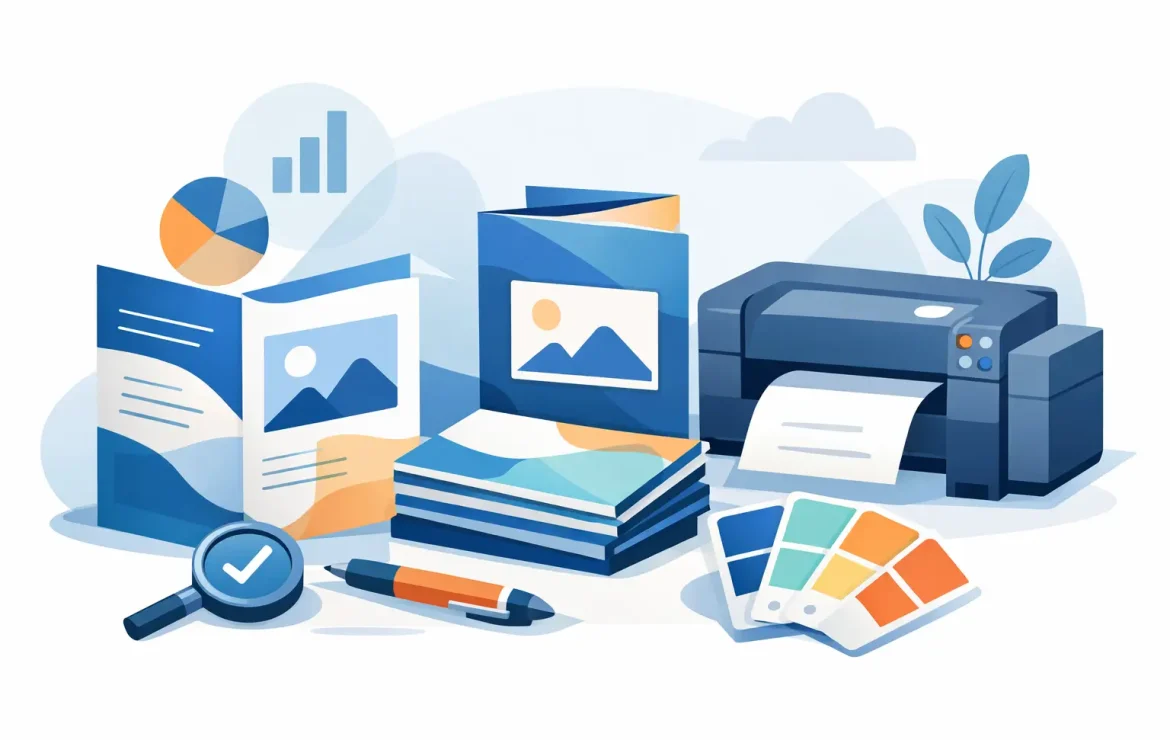
A brochure usually has one job – make your business look credible enough for someone to take the next step. That might be booking a meeting, visiting your premises, keeping your details for later or choosing you over a competitor. Affordable brochure design printing matters because most businesses are not printing for the sake of it. They need something that looks professional, arrives on time and does not eat the budget.
The tricky part is that cheap and affordable are not the same thing. Cheap brochure printing often shows up in the wrong places – thin stock that feels flimsy, muddy colours, awkward folds, unclear messaging or a design that looked fine on screen but falls flat in print. Affordable brochure design printing, by contrast, is about making sensible choices so you get a strong result without paying for things you do not need.
What affordable brochure design printing really means
For most businesses, affordability is about value rather than the lowest possible price. A brochure that costs less upfront but fails to represent your brand properly is rarely a saving. If it makes your company look disorganised, dated or low quality, the hidden cost is much higher.
A well-produced brochure should feel considered. The paper should suit the purpose, the layout should guide the reader clearly and the print should be sharp and consistent. None of that requires an extravagant budget. It does require good decisions early on.
That is where many jobs either stay cost-effective or start becoming expensive. Last-minute artwork fixes, poorly prepared files, unnecessary page counts and choosing the wrong print method can all push up the total. Often, the most affordable route is not stripping everything back. It is getting the specification right first time.
Start with the purpose, not the paper
Before anyone talks about finishes, folds or stock weights, it helps to answer a simpler question – what is the brochure for?
A sales brochure handed out at meetings needs to feel smart, clear and easy to browse. A takeaway menu or price list may need to prioritise durability and legibility. An event handout often needs to be affordable in larger quantities. A property brochure, product catalogue or corporate overview might need more pages and stronger visual impact.
When the purpose is clear, the format usually becomes clearer too. An A5 brochure may be enough for a concise overview. An A4 brochure can give you more room for services, imagery and case studies. A stitched booklet might work better than a folded leaflet if you have a lot to say. Keeping the format aligned to the job prevents over-specifying, which is one of the easiest ways to waste budget.
Design choices that save money without looking it
Good brochure design is not about filling every inch of space. In fact, trying to squeeze too much in often creates a cluttered result that feels cheaper, not better.
Clear hierarchy, strong headings and enough breathing room do more for perceived quality than cramming in extra text. A simple, well-structured design is usually more affordable to produce and easier for customers to read. It is also more likely to age well, which matters if you plan to use the brochure over time.
Photography is another area where costs can drift. If you already have quality brand imagery, use it well. If not, a clean layout with confident typography and selective visuals can still look polished. The goal is not to make the brochure look expensive. The goal is to make it look professional and fit for purpose.
There is also a practical side to design. If artwork is built correctly from the start, print production is smoother and less likely to need amendments. That means fewer delays, fewer surprises and less money spent fixing avoidable issues.
Choosing the right print spec for your budget
This is where affordable brochure design printing becomes a balancing act. The best spec depends on quantity, usage and how the brochure will be handled.
Paper stock matters, but heavier is not always better. A decent silk or gloss stock can give a smart, professional finish without jumping to premium weights that may not add much value for the reader. For some sectors, an uncoated stock can work well because it feels more natural and understated. It depends on the tone of the brand and the purpose of the brochure.
Page count also affects cost quickly. If you can say the same thing more clearly in eight pages instead of twelve, that is usually the better decision. Readers tend to prefer it too. More pages only make sense when the content genuinely earns the space.
Finishing options should be chosen carefully. Lamination, specialist finishes and unusual formats can look excellent, but they are not always necessary. If the brochure is a day-to-day sales tool or an event handout, a straightforward, well-printed piece often does the job better than something overworked.
Short runs, larger runs and why quantity changes everything
One of the biggest factors in brochure printing cost is quantity. If you only need a small number, digital print often makes sense because it keeps setup costs down and gives flexibility. That is useful for brochures with regularly changing details, seasonal offers or smaller audience numbers.
For higher volumes, litho printing may become more cost-effective per unit and can be a strong choice when consistency matters across a larger run. The tipping point depends on the specification, page count and timescale, which is why blanket pricing assumptions can be misleading.
This is also where businesses sometimes order the wrong quantity. Too few and the unit price can be higher than necessary. Too many and you end up with outdated brochures in a cupboard after a service change or rebrand. The affordable option is the one that matches your real usage, not the one that simply produces the cheapest unit cost on paper.
Why design and print work better together
When brochure design and printing are handled separately, problems can creep in. A designer may create something that looks great on screen but is awkward to print efficiently. A printer may receive artwork that needs corrections before it can go to press. That usually means more emails, more revisions and more time.
When the design and print process are joined up, decisions are easier to make. You can shape the brochure around the budget from the start, rather than redesigning later to fit production realities. That is often the simplest route to affordable brochure design printing because it reduces friction at every stage.
For businesses that do not have an in-house designer, this joined-up approach can be especially useful. It takes away guesswork and gives you a clearer idea of what will work before time is spent heading in the wrong direction. Print by Volta supports both sides of that process, which helps keep things straightforward.
Common mistakes that make brochures more expensive
Some brochure jobs become costly for reasons that have nothing to do with paper or print method. One of the most common is trying to include too much information. A brochure is not meant to say everything about your business. It should say the right things, clearly.
Another issue is inconsistent branding. If logos, colours, images and messaging are pulled together from different sources at the last minute, the brochure often needs extra design time to tidy it all up. That can be avoided with a bit of planning.
There is also the problem of treating print as an afterthought. If a brochure is rushed because an event is approaching or a sales team suddenly needs materials, there is less room to refine the content, check the artwork and choose the most cost-effective specification. Planning ahead gives you more control over both quality and cost.
How to get a better result from your budget
The best starting point is a clear brief. Say what the brochure is for, who it is aimed at, roughly how many you need and whether the content is likely to change soon. That helps shape a practical recommendation rather than a generic quote.
It also helps to be honest about the budget. A good print partner can usually suggest where to spend and where to save. Sometimes a small upgrade in stock makes a visible difference. Sometimes the smarter move is simplifying the format and putting the budget into cleaner design or a more suitable quantity.
Most of all, ask for guidance in plain English. You should not need to know print jargon to order a brochure that works. A good supplier will explain the options clearly, flag any trade-offs and help you avoid paying for things that are not adding real value.
A brochure does not need to be flashy to be effective. It needs to feel right in the hand, easy to read and consistent with the business behind it. If you get those basics right, affordable brochure design printing stops being a compromise and starts being a sensible investment.
Popular Posts

A Guide to Custom Sticker Printing for Business

What Is Uncoated Paper and When Should You Use It?

Ordering NCR Duplicate Sets Without Delays
Testimonials
We had some brochures printed – they were high quality and the delivery was right to our door and super speedy. The customer service was excellent and I would definitely use them again.

Causeway
Our friends at Print by Volta always do a cracking job and they are always friendly, helpful and full of ideas. And they are consistent year on year which is why we are still working with them!

LFBB Solicitors
Excellent print quality with a quick turnaround! The staff are very helpful and supportive. We will be sure to work with them again.

David Village Lighting

